
Music Therapy And Mental Health
By
Dr Om Prakasham
Chairman, Lotus Wellness
When the music therapist at lotus would play various instrumental music , Our guests lingering in the hall would smile and shake a leg or two . Some would ask me if I had their favorite band on my iPad. Some would peek their heads out of their rooms, and exclaim, “Our man is here! It’s time for music therapy group!” Oftentimes, I would hear about patients who were asleep in their rooms when the therapy started, but their friends would gently wake them with a reassurance: “You don’t want to miss this.”
Music to My Ears
We’ve been lucky to serve many children and adults in various mental health settings with the help of a music therapist. We’ve heard stories of resilience, strength and adversity. We’ve worked with individuals who have experienced trauma, depression, grief, addiction and more.
These individuals have not come to us in their finest hour, but despite feeling lost or broken, music provided them with the opportunity for expression and for experiencing safety, peace and comfort.
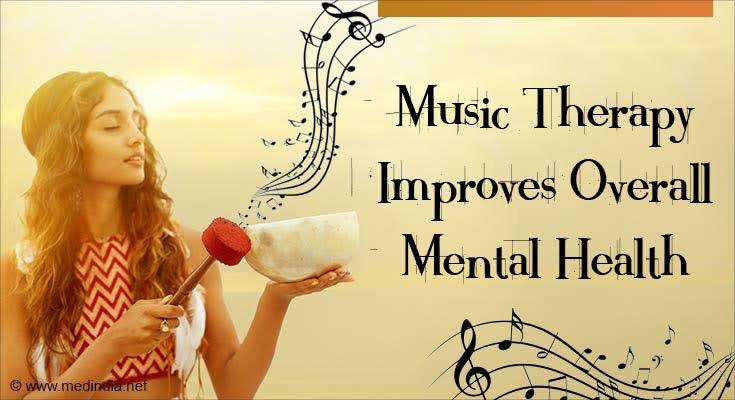
Research shows the benefits of music therapy for various mental health conditions, including depression, trauma, and schizophrenia (to name a few). Music acts as a medium for processing emotions, trauma, and grief—but music can also be utilized as a regulating or calming agent for anxiety or for dysregulation.
There are four major interventions involved with music therapy:
Lyric Analysis
While talk therapy allows a person to speak about topics that may be difficult to discuss, lyric analysis introduces a novel and less-threatening approach to process emotions, thoughts and experiences. A person receiving music therapy is encouraged to offer insight, alternative lyrics and tangible tools or themes from lyrics that can apply to obstacles in their life and their treatment. We all have a song that we deeply connect to and appreciate—lyric analysis provides an opportunity for an individual to identify song lyrics that may correlate with their experience.
Improvisation Music Playing
Playing instruments can encourage emotional expression, socialization and exploration of various therapeutic themes (i.e. conflict, communication, grief, etc.). For example, a group can create a “storm” by playing drums, rain sticks, thunder tubes and other percussive instruments. The group can note areas of escalation and de-escalation in the improvisation, and the group can correlate the “highs and lows” of the storm to particular feelings they may have. This creates an opportunity for the group to discuss their feelings further.
Active Music Listening
Music can be utilized to regulate mood. Because of its rhythmic and repetitive aspects, music engages the neocortex of our brain, which calms us and reduces impulsivity. We often utilize music to match or alter our mood. While there are benefits to matching music to our mood, it can potentially keep us stuck in a depressive, angry or anxious state. To alter mood states, a music therapist can play music to match the current mood of the person and then slowly shift to a more positive or calm state.
Songwriting
Songwriting provides opportunities for expression in a positive and rewarding way. Anyone can create lyrics that reflect their own thoughts and experiences, and select instruments and sounds that best reflect the emotion behind the lyrics. This process can be very validating, and can aid in building self-worth. This intervention can also instill a sense of pride, as someone listens to their own creation.
On Another Note
An Incident that our music therapist told me has stuck in my mind . It was when he worked at a residential treatment center, that he was notified that a child refused to continue meeting with his usual therapist. Even though he was initially hesitant to meet with our music therapist he soon became excited for his music therapy sessions.
In his first session, he decided to look at the lyrics of “Carry On” by FUN. He asked him to explain what it means to be a “shining star,” which is mentioned several times in the song. He was expecting this 8-year-old to tell him something simple, like “it means you’re special.” But he surprised him when he stated, matter-of-factly: “It means that you are something others notice. It means you are something to look up to, and you are something that helps others navigate.”
And just like that: This lyric offered the opportunity to discuss self-worth, resilience, and strength. Music provided him with the structure and opportunity to process in an engaging way. Soon, his therapist began attending his sessions to help build a healthier therapeutic relationship. His family and teachers reported improved emotion regulation and social interaction skills. Music therapy had provided countless opportunities for building healthy relationships, just as it has for thousands of others.
Try it for yourself! Check out the Music therapy sessions offered at lotus .
ABOUT LOTUS
Lotus is India’s leading Holistic luxury rehab offering the best programs for Detox, De Addiction Treatment , Mental health rehabilitation and Absolute wellness.
LOTUS WELLNESS AND REHABILITATION CENTER
Pollachi, Coimbatore , Tamilnadu , India
Call confidentially 24/7 (+91 7339062555)
Reach us at info@lotuswellness.life
To know more about us visit our website
www.lotuswellness.life